top of page

Monthly Newsletter

Quiet Pages is a free, slow-paced collection of long form essays (30 mins+ reading time) diving into the hidden connections between literature, life, and the spaces in between.

Each issue offers thoughtful and personal reflections on books, art, and the natural world—exploring themes of solitude and belonging, and the quietly big moments that shape our human lives.

Curious? Sign up to get Quiet Pages delivered as a newsletter directly into your inbox on a (bi-)monthly basis. 

You are now subscribed.

Welcome to the Quiet Pages 🖤

#04 | Crossing into Autumn: Transformative Books for the Season of Half-Light

  • Writer: Anabel Hafstad
    Anabel Hafstad
  • Sep 18, 2025
  • 8 min read

Updated: Sep 23, 2025


Fall is a time of transition, of turning inward. Fall is also, quite simply, a mood. It pairs an electrifying bittersweetness with a rush of celebratory joy.


Always, it’s about a great thing ending — and maybe, just maybe, something quieter, but even greater, beginning.


So here is a plentiful fall harvest of twelve books that, to me, feel quintessentially autumnal. Each is its very own mood, an invitation to transition totally into the realms of a different world.


May they nourish you through the darkening of coming months.🍁🌞🧦🫖


Signature Anabel


Fall Read 01

Autumn — Ali Smith (2016)


Cover of Bear


The first Ali Smith novel I read — and I’ve never looked back. I will forever inhale whatever she writes.


Hailed as the first dystopian Brexit novel, I braced for bleakness — then found myself instantly delighted by her fresh, mosaic, cinematic style. Brexit is present, yes, but to me it never sat at the core. 


Autumn is instead a quietly explosive collage of youth and age, life and death, and shimmering bits of tentative hope in between.


Part of a beautiful seasonal quartet (Autumn, Winter, Spring, Summer), the series itself actually, to me, embodies change and at the same time a return, over and over again, to what we know. 


In very simplified terms, we follow a very old, mostly sleeping (and dying) man and a young girl as they become unlikely friends. One of my favorite lines:


She rollerbladed home in front of Daniel so Daniel would be able to see the lights light up. 

The simplicity. The joy!


At a reading at Litteraturhuset in Oslo, I marvelled live at Smith’s energetic wisdom as she quoted Dickens: “Darkness is cheap.” 


That is why, she explained, she writes about our dark corners with such lightness, humor, and ease.


Fall Read 02

Idaho — Emily Ruskovich (2017)


Cover of Dept. of Speculation


I read this last fall, as my father was slowly beginning to die while I was stranded on an island, and this novel provided a strange kind of suspensful respite. 


The tale tipped me into a bleak, blue-toned world of barren landscapes, missing children, and silences between family members that felt jarring, almost physical. 


The plot circles around a single and unforgivably violent act on a mountain clearing, but rather than moving in a straight line, it refracts into fragments, shifting between time and perspective.


Gorgeous prose, haunting imagery, chilling atmosphere — this read lingers like cold air in the lungs.


Fall Read 03

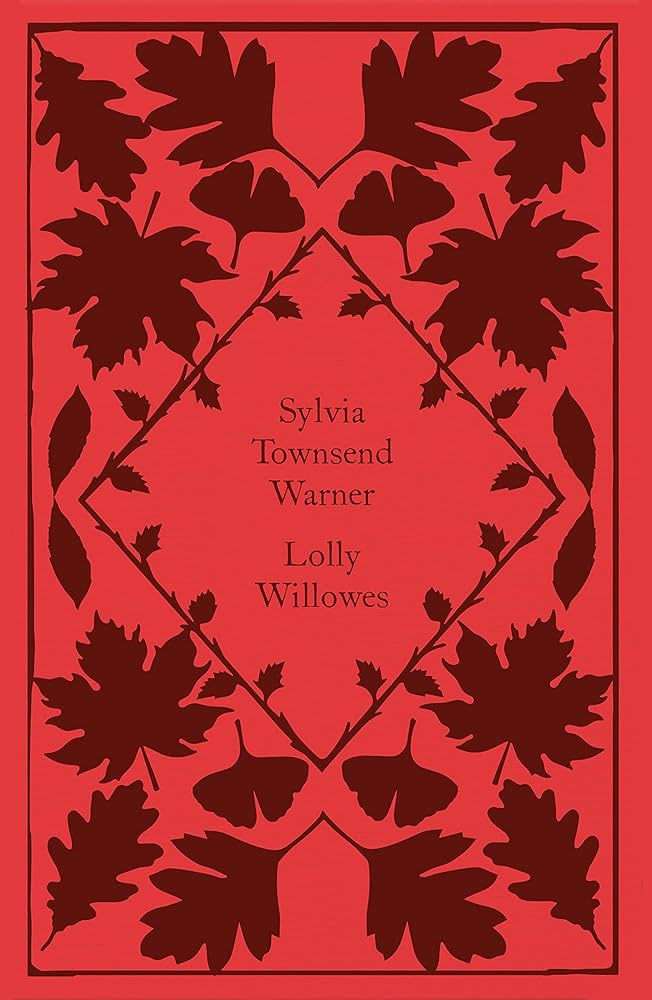
Lolly Willows — Sylvia Townsend Warner (1916)


Cover of Winning Words

I love this brief and delightful title so much, it will be forever on my re-read list. Lolly Willows is a middle-aged spinster who has had enough, and who can blame her? 


One day she leaves the demands of family behind, moves to a countryside cottage, and begins to live her very own, very wonderful life. 


At first, the plot feels like domestic realism, but then — unexpectedly — the uncanny slips in.


Lolly’s sudden, lavishly ccherished independence is framed as a pact with the Devil . But really, Lolly has simply made a pact with her own freedom.


One of my favorite moments: on a walk in the woods, she deliciously throws herself into a pile of autumn leaves... and falls safely asleep.


Bliss ✨


Fall Read 04

The World of Yesterday — Stefan Zweig (1942)


Cover of Entangled Life


Reading Zweig's descriptions will transport you back into an age of change with surprising ease. Born into the end of Victorianism, his beautiful prose recalls in vivid detail how quickly the optimism of the 19th century gave way to modernity — and to the gruesome wars of the 20th. 


This posthumously published memoir flows like a novel: Viennese coffeehouses, literary salons, famous artists come curiously alive on the page (Rainer Maria Rilke among them). 


The uncanny thing about this book is how familiar the atmosphere of today feels to what Zweig describes: the fragility, the simmering aggression, a lingering hunger for destruction beneath a wasteful display of cultural exuberance. 


Zweig’s reflections shimmer with beauty, but are shadowed by his knowledge that the world he cherishes is vanishing. 


He and his wife both die by suicide in the February of 1942, never seeing the end of the devastation caused by WWII.


Fall Read 05

Upstream — Mary Oliver (2016)


Cover of Good Wives

Another on my personal re-read list. A slow-burning collection of essays, best reserved for solitary evenings — each sequence savored with gusto. 


Oliver is best known for her reverent nature poetry, but her prose is equally vast and poetic, and deeply contemplative.


She writes of foxes and clouds, of rivers and poets, and the shape of a life lived in observation. Each word feels picked with care, like a brilliantly ripe apple. 


Each essay summons the magic of words, inspiring quiet reflection on the deepest principles of life. 


If you are a word-person — if you know what I mean when I say wordgasm — then this one is for you.


Fall Read 06

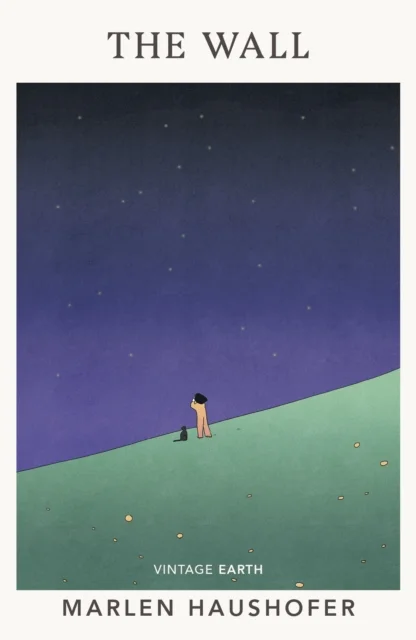
The Wall — Marlen Haushofer (1963)


Cover of Good Wives

Autumn ushers us into the safety of our own four walls — but in this novel, a transparent wall suddenly cuts an unnamed middle-aged woman off from the world. 


She was simply going to spend a weekend at a cabin with friends. They disappear without a trace, and when she goes looking, she finds an invisible shield erected around the grounds. 


Beyond it: nothing but frozen death. 


Against all odds, the narrator learns to survive in solitude, building firewood stacks, planting potatoes, milking a cow, befriending a dog. 


A book with almost no people could sound dull, yet this uncanny, suspenseful novel is absolutely gripping. I inhaled it in one go. 


(I read the beautifully designed Vintage Earth edition, which I mentioned in the first Quiet Pages issue.)


Fall Read 07

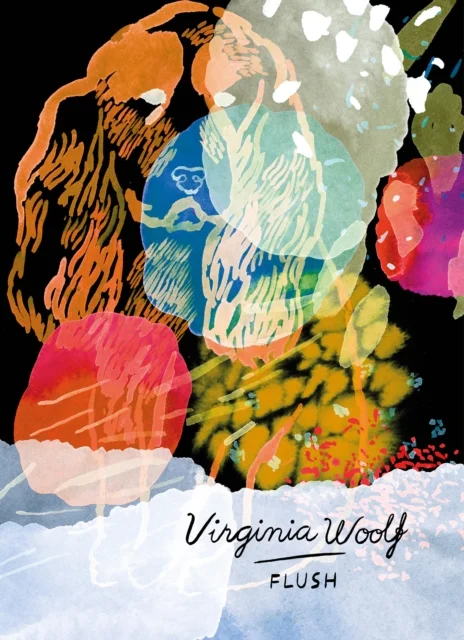
Flush — Virginia Woolf (1933)


Cover of The Mermaid of Black Conch


If fall is a mood, so is Virginia Woolf. 


One of my personal heroes, she usually requires the right headspace (often summer, for me). But Flush! This is another story. Literally. 


Narrated entirely from the perspective of a dog, Woolf wrote it as a kind of cognitive break between heavier works — such was the genius of this literary giant. 


Flush is the cocker spaniel of poet Elizabeth Barrett Browning — so it is both delightful dog’s-eye narration and, oddly, a highly enjoyable form of biography. 


The plot follows Flush through London’s crowded streets, through illness and travel, an incident of kidnapping, and  always with his sensory, emotional world at the center. 


If you only ever read one Woolf (because supposedly she’s “scary”), let it be this. Wonderful, absorbing, and the perfect gift for a dog lover.


Fall Read 08

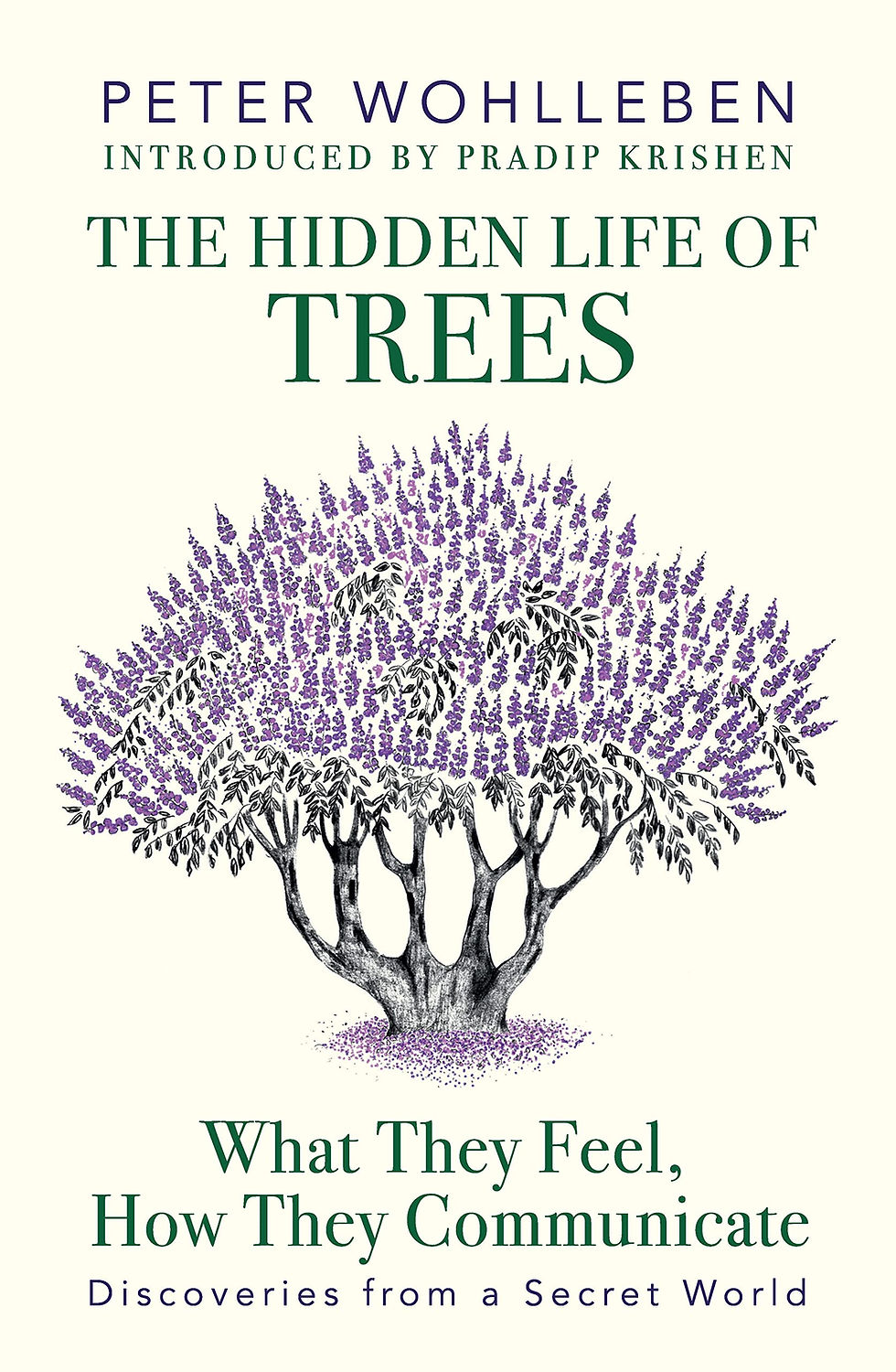
The Hidden Life of Trees — Peter Wohlleben (2016)


Cover of Awayland

For years, I thought of fall as the unnecessary killing of leaves. Then I learned: trees are active, acting beings. 


The turning of leaves is not passive death but a life-affirming decision. The tree preemptively draws chlorophyll back into its trunk to store it safely away from the cold until spring. Winter becomes a time for preservation, rest, and restoration.


Wohlleben goes beyond the single tree and reveals forests as huge, lively networks of cooperation: trees sending nutrients to one another, communicating chemically, growing slowly and deliberately, protecting their young. 


Reading this changed how I see every tree, especially in autumn.


I no longer perceive these creatures as victims to an ending, but as the embodiment of powerful wisdom conserving its life for tomorrow.


Fall Read 09

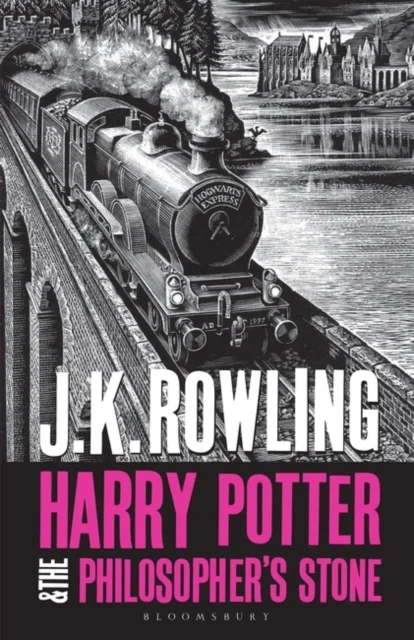
Harry Potter — J.K. Rowling (1990s-2000s)


Cover of Poetry as Survival


What would a fall list be without Harry Potter? Really any volume will do; if unsure, start at the beginning. 


This universe is quintessentially autumnal: witchy, magical, bookish.


The plot begins, famously, with a letter and a railway platform, and it unfurls into a world where the seasons and buildings and landscapes themselves are characters. 


These are not merely children’s books. This is a modern classic: J.K. Rowling has spun an epic tale, at the core of which lies the choice in holding on to love and goodness, even in the darkest of times. 


Every other fall, I feel the mood strike, and I immerse myself again in their toasty, warming familiarity.


PS: Get yourself a gorgeously designed Harry Potter paperback set for adults?


Fall Read 10

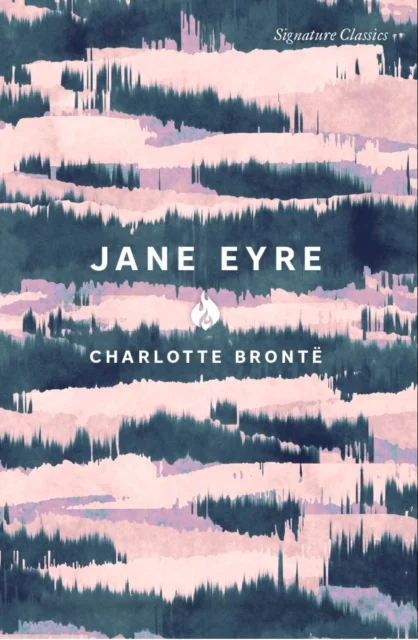
Jane Eyre — Charlotte Brontë (1847)


Cover of Die Zeit der Verluste

As a #Victober tradition (Victorian October), I often find myself reaching for something gothic at this time of year. The story in question must be supernatural, eerie, preferably filled with moors and madness. 


One such #Victober read was Jane Eyre, and it thoroughly surprised me.


I expected dense, dated prose, but Brontë swept me away. I gobbled it up, as did others in my book club. 


Certainly — from a post-modern feminist perspective — at times flawed, this novel is often considered an early feminist classic: Jane is brave, feisty, unwilling to bend to men in an age when women were legally owned, and commanded, by them. 


At one point, she cuts a man short, explains why he was wrong, and then releases him swiftly with the words:


"Now I want to read."


Which is why these words are now tattooed on my left forearm.


Jane Eyre's plot itself moves through childhood poverty (a core literary theme at the time), a hauntingly atmospheric boarding school (ditto), a mysterious estate, and finally a love story riddled with fire, mystery, and shadows. 


And, of course, there is the famous (white, Creole) madwoman in the attic — a trope later critically interrogated by many authors, amongst them Jean Rhys in Wide Sargasso Sea.


Fall Read 11

Waking the Witch: Reflections on Women, Magic, and Power — Pam Grossman (2019)


Cover of Die Zeit der Verluste

An eye-opening exploration of the witch archetype and its deep imprint on language, culture, and history.


Grossman traces the witch from folklore to pop culture, from medieval accusations to contemporary reclaimings.


Reading it, you begin to notice how the archetype flickers everywhere — in sayings, in art, in Halloween costumes, in feminist discourse.


By the end, you may not necessarily choose to call yourself a witch, but you will certainly feel much warmer toward the word.


And maybe, just maybe, you'll be inspired to carve out a space for your own idea of a quiet, wise, and loving rebellion.


Fall Read 12

Countess Dracula — Bram Stoker et al. (2022)

edited by Anabel Hafstad


Cover of Die Zeit der Verluste

Reading the original Dracula during a previous #Victober, I found myself increasingly frustrated by Stoker's stereotypically constraining portrayal of Victorian women. In his imagination, female characters are, without exception, fragile, breakable, and dangerously prone to fainting fits. What's more is that the men have all the great adventures, slaughtering vampires and what not — while the women are literally sent to bed to rest. 


This, admittedly, quite enraged me.


So I ran an experiment: I took the public-domain manuscript and reversed all the genders. I changed nothing about the text, except for the characters' pronouns and the names, just to see what the polar opposite of a Victorian gender-view would feel like for a reader like me.


A gender-reversed quote from Countess Dracula

What happens is that the plot remains exactly the same — eerie castles, mysterious arrivals, bloodlust and fear — but suddenly the agency shifts. And also, it is the men who are now sent to bed.


Neat?


All of this fun resulted into Countess Dracula, an actual physical book which I published in 2022 and which you can buy on Amazon. ⬇️ Link below.


In fact, Countess Dracula is merely first title in what then became the newways publishing #CharactHer series, and I've joyfully added a whole lot of actually fascinating footnotes, and a nice passionate foreword to guide the reader through this curious art of rebellious reversal.


Both at times hilarious and strangely enlightening, the gender-swapped version of Bram Stoker's famous Dracula is essentially a perfect autmn read, revealing how deeply roles shape the stories we inherit — and what happens when we flip them. 


Hey gorgeous! ✨ Want more fall reads?


Last October, I wrote about the idea of last (and lost) worlds, cozy museum visits and beautiful paintings of Dutch Golden age — and also of how Mary Shelley kept the heart of her husband. 


All of it swooped up in one deliciously long-format issue of the Quiet Pages


Comments


Commenting on this post isn't available anymore. Contact the site owner for more info.

Recent Quiet Pages

pexels-martinpechy-922100.jpg

A Slow Newsletter

Liked what you read? Quiet Pages is a free, slow-paced collection of long form essays diving into the hidden connections between literature, life, and the spaces in between.


Each issue offers thoughtful and personal reflections on books, art, and the natural world—exploring themes of solitude and belonging, and the quietly big moments that shape our human lives.

Curious? Sign up to get Quiet Pages delivered as an occasional newsletter directly into your inbox. 

Welcome to the Quiet Pages

bottom of page